Rood is a fresh, modern Belgian red of specialist grape varietals Cabernet Cantor, Cabernet Noir and Merlot Khorus. It is fruit driven, structured and concentrated.
Hoenshof’s main goal is to put Belgian wines more prominently on the map, not by standardising but innovating. They bridge the gap between traditional craft and bold experimentation, delivering uniquely local wines that are regulars on Michelin-starred lists.
Rood’s grapes are harvested in different waves, each lot is vinified separately to preserve fruit, freshness and structure; each varietal in a very precise and different way:
Cabernet Cantor ripens early and is usually picked by the end of September. It undergoes a short, energetic skin fermentation of 7 days at 25°C, with manual pigeage 4 times per day to extract colour and fruit without heaviness. To push the aromatic lift even further, around 5% of the Cantor is made via carbonic maceration.
Cabernet Noir has naturally small bunches and berries, giving intense concentration. It undergoes a longer and deeper 20-day skin fermentation at 28°C for maximum extraction and structure. After fermentation, Cabernet Noir is raised in neutral 220 L French oak for 6 months, adding polish without masking the fruit.
Merlot Khorus is the late finisher, harvested only in early November. The must is gently pressed and undergoes malolactic fermentation in stainless steel, using selected bacteria that enhance fruit expression while avoiding any buttery, yoghurt-like notes.
Hoenshof is based in Belgium’s Haspengouw region - an area with a surprisingly long wine tradition: in the 10th century Borgloon had a guild dedicated to viticulture and trade – the Wijnluyden. The subsoil of Haspengouw is a mix of loam and marl: the loam in the soil lends a certain richness to the wines, while the marl provides minerality. Yields are generally limited to 55 hl/ha, this limited yield is beneficial for the quality and concentration of the juice extracted from the grapes
Hoenshof cultivate 6.5 ha of the regions 50 hectares of vineyards, with no fewer than 25 different grape varieties. There is a strong emphasis on experimenting with highly varied blends, working primarily with innovative grape varieties adapted to the cool climate. Winemaker Dr. Ghislain Houben began work in 2002 when planting his first vines on land that has been in the family since 1907. His son Jerom and godson Simon, who both grew up among the wine barrels, have also been captivated by the world of wine.
They are aligned with the PiWi wine movement - an abbreviation of the German term “Pilzwiderstandsfähige Reben” standing for “fungus resistant grape varieties”. These are hybrid varieties (no genetic modification) that have been developed over 40 years to be drought and mildew resistant, and at the same time provide great flavour profiles. Hoenshof’s vineyards are planted with these modern grape varieties because of Belgium’s cooler, more humid climate; allowing them to grow grapes more sustainably, using little to no chemical pesticides or herbicides.
Hoenshof prefer to use the term "modern varieties" or "innovative grape varieties" as some people often already have preconceived ideas about PiWi (probably less in the UK as the term is not yet common). Their emphasis is working ecologically, that the wines are low in residues, and that they use lower sulphur levels than are typically found in conventional viticulture.
The wines of Hoenshof Estate are crafted with the aim of delivering an exceptional gastronomic experience. As a result, many of our wines are served in some of Belgium’s finest restaurants. Every year, we strive to present wines of outstanding quality and provide chefs with unique creations. As Simon Loos states: “My goal is to see every bottle we produce appear on the tables of chefs who cook with the same passion that we bring to winemaking.
Rood is a fresh, modern Belgian red of specialist grape varietals Cabernet Cantor, Cabernet Noir and Merlot Khorus. It is fruit driven, structured and concentrated.
Hoenshof’s main goal is to put Belgian wines more prominently on the map, not by standardising but innovating. They bridge the gap between traditional craft and bold experimentation, delivering uniquely local wines that are regulars on Michelin-starred lists.
Rood’s grapes are harvested in different waves, each lot is vinified separately to preserve fruit, freshness and structure; each varietal in a very precise and different way:
Cabernet Cantor ripens early and is usually picked by the end of September. It undergoes a short, energetic skin fermentation of 7 days at 25°C, with manual pigeage 4 times per day to extract colour and fruit without heaviness. To push the aromatic lift even further, around 5% of the Cantor is made via carbonic maceration.
Cabernet Noir has naturally small bunches and berries, giving intense concentration. It undergoes a longer and deeper 20-day skin fermentation at 28°C for maximum extraction and structure. After fermentation, Cabernet Noir is raised in neutral 220 L French oak for 6 months, adding polish without masking the fruit.
Merlot Khorus is the late finisher, harvested only in early November. The must is gently pressed and undergoes malolactic fermentation in stainless steel, using selected bacteria that enhance fruit expression while avoiding any buttery, yoghurt-like notes.
Hoenshof is based in Belgium’s Haspengouw region - an area with a surprisingly long wine tradition: in the 10th century Borgloon had a guild dedicated to viticulture and trade – the Wijnluyden. The subsoil of Haspengouw is a mix of loam and marl: the loam in the soil lends a certain richness to the wines, while the marl provides minerality. Yields are generally limited to 55 hl/ha, this limited yield is beneficial for the quality and concentration of the juice extracted from the grapes
Hoenshof cultivate 6.5 ha of the regions 50 hectares of vineyards, with no fewer than 25 different grape varieties. There is a strong emphasis on experimenting with highly varied blends, working primarily with innovative grape varieties adapted to the cool climate. Winemaker Dr. Ghislain Houben began work in 2002 when planting his first vines on land that has been in the family since 1907. His son Jerom and godson Simon, who both grew up among the wine barrels, have also been captivated by the world of wine.
They are aligned with the PiWi wine movement - an abbreviation of the German term “Pilzwiderstandsfähige Reben” standing for “fungus resistant grape varieties”. These are hybrid varieties (no genetic modification) that have been developed over 40 years to be drought and mildew resistant, and at the same time provide great flavour profiles. Hoenshof’s vineyards are planted with these modern grape varieties because of Belgium’s cooler, more humid climate; allowing them to grow grapes more sustainably, using little to no chemical pesticides or herbicides.
Hoenshof prefer to use the term "modern varieties" or "innovative grape varieties" as some people often already have preconceived ideas about PiWi (probably less in the UK as the term is not yet common). Their emphasis is working ecologically, that the wines are low in residues, and that they use lower sulphur levels than are typically found in conventional viticulture.
The wines of Hoenshof Estate are crafted with the aim of delivering an exceptional gastronomic experience. As a result, many of our wines are served in some of Belgium’s finest restaurants. Every year, we strive to present wines of outstanding quality and provide chefs with unique creations. As Simon Loos states: “My goal is to see every bottle we produce appear on the tables of chefs who cook with the same passion that we bring to winemaking.

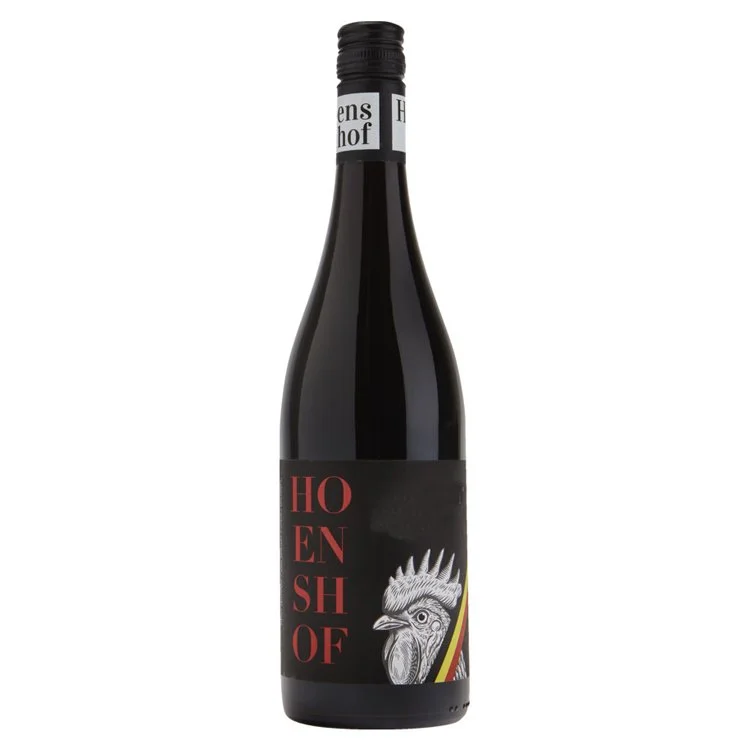 Image 1 of 1