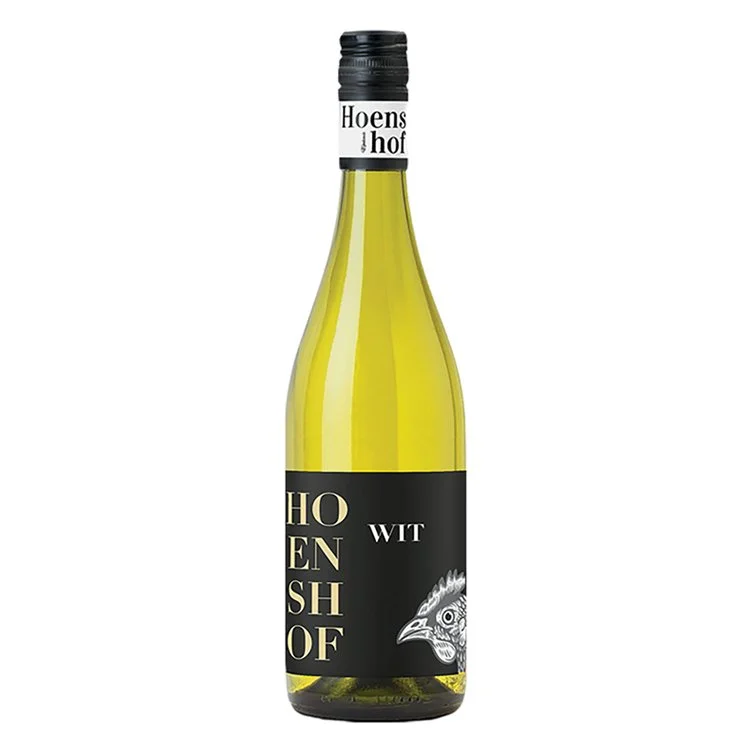
Hoenshof Wit | Haspengouw, Belgium

£14.70

Wit is a fresh and vibrant Belgian white wine with a distinctive green edge -expect bright aromas, crisp freshness and silky texture

Hoenshof’s main goal is to put Belgian wines more prominently on the map, not by standardising but innovating. They bridge the gap between traditional craft and bold experimentation, delivering uniquely local wines that are regulars on Michelin-starred lists.

Wit wine is vinified in stages from October-picked grapes. Solaris and Cabernet Blanc receive a short skin contact before gentle pressing, while later-picked Sauvignac undergoes a cold maceration - 48 hours at 3°C - before pressing to bring extra aromatic lift. Fermentation takes place in stainless steel, followed by fine lees ageing for texture. A small part of the blend is matured in third-fill French barriques with bâttonage, adding subtle depth without losing freshness. In early summer the lots are blended, stabilised and protected with a minimal SO₂ dose for reliable keeping.

Hoenshof is based in Belgium’s Haspengouw region - an area with a surprisingly long wine tradition: in the 10th century Borgloon had a guild dedicated to viticulture and trade – the Wijnluyden. The subsoil of Haspengouw is a mix of loam and marl: the loam in the soil lends a certain richness to the wines, while the marl provides minerality. Yields are generally limited to 55 hl/ha, this limited yield is beneficial for the quality and concentration of the juice extracted from the grapes

Hoenshof cultivate 6.5 ha of the regions 50 hectares of vineyards, with no fewer than 25 different grape varieties. There is a strong emphasis on experimenting with highly varied blends, working primarily with innovative grape varieties adapted to the cool climate. Winemaker Dr. Ghislain Houben began work in 2002 when planting his first vines on land that has been in the family since 1907. His son Jerom and godson Simon, who both grew up among the wine barrels, have also been captivated by the world of wine.

They are aligned with the PiWi wine movement - an abbreviation of the German term “Pilzwiderstandsfähige Reben” standing for “fungus resistant grape varieties. These are hybrid varieties (no genetic modification) that have been developed over 40 years to be drought and mildew resistant, and at the same time provide great flavour profiles. Hoenshof’s vineyards are planted with these modern grape varieties because of Belgium’s cooler, more humid climate; allowing them to grow grapes more sustainably, using little to no chemical pesticides or herbicides.

Hoenshof prefer to use the term "modern varieties" or "innovative grape varieties" as some people often already have preconceived ideas about PiWi (probably less in the UK as the term is not yet common). Their emphasis is working ecologically, that the wines are low in residues, and that they use lower sulphur levels than are typically found in conventional viticulture.

The wines of Hoenshof Estate are crafted with the aim of delivering an exceptional gastronomic experience. As a result, many of our wines are served in some of Belgium’s finest restaurants. Every year, we strive to present wines of outstanding quality and provide chefs with unique creations. As Simon Loos states: “My goal is to see every bottle we produce appear on the tables of chefs who cook with the same passion that we bring to winemaking.

Wit is a fresh and vibrant Belgian white wine with a distinctive green edge -expect bright aromas, crisp freshness and silky texture

Hoenshof’s main goal is to put Belgian wines more prominently on the map, not by standardising but innovating. They bridge the gap between traditional craft and bold experimentation, delivering uniquely local wines that are regulars on Michelin-starred lists.

Wit wine is vinified in stages from October-picked grapes. Solaris and Cabernet Blanc receive a short skin contact before gentle pressing, while later-picked Sauvignac undergoes a cold maceration - 48 hours at 3°C - before pressing to bring extra aromatic lift. Fermentation takes place in stainless steel, followed by fine lees ageing for texture. A small part of the blend is matured in third-fill French barriques with bâttonage, adding subtle depth without losing freshness. In early summer the lots are blended, stabilised and protected with a minimal SO₂ dose for reliable keeping.

Hoenshof is based in Belgium’s Haspengouw region - an area with a surprisingly long wine tradition: in the 10th century Borgloon had a guild dedicated to viticulture and trade – the Wijnluyden. The subsoil of Haspengouw is a mix of loam and marl: the loam in the soil lends a certain richness to the wines, while the marl provides minerality. Yields are generally limited to 55 hl/ha, this limited yield is beneficial for the quality and concentration of the juice extracted from the grapes

Hoenshof cultivate 6.5 ha of the regions 50 hectares of vineyards, with no fewer than 25 different grape varieties. There is a strong emphasis on experimenting with highly varied blends, working primarily with innovative grape varieties adapted to the cool climate. Winemaker Dr. Ghislain Houben began work in 2002 when planting his first vines on land that has been in the family since 1907. His son Jerom and godson Simon, who both grew up among the wine barrels, have also been captivated by the world of wine.

They are aligned with the PiWi wine movement - an abbreviation of the German term “Pilzwiderstandsfähige Reben” standing for “fungus resistant grape varieties. These are hybrid varieties (no genetic modification) that have been developed over 40 years to be drought and mildew resistant, and at the same time provide great flavour profiles. Hoenshof’s vineyards are planted with these modern grape varieties because of Belgium’s cooler, more humid climate; allowing them to grow grapes more sustainably, using little to no chemical pesticides or herbicides.

Hoenshof prefer to use the term "modern varieties" or "innovative grape varieties" as some people often already have preconceived ideas about PiWi (probably less in the UK as the term is not yet common). Their emphasis is working ecologically, that the wines are low in residues, and that they use lower sulphur levels than are typically found in conventional viticulture.

The wines of Hoenshof Estate are crafted with the aim of delivering an exceptional gastronomic experience. As a result, many of our wines are served in some of Belgium’s finest restaurants. Every year, we strive to present wines of outstanding quality and provide chefs with unique creations. As Simon Loos states: “My goal is to see every bottle we produce appear on the tables of chefs who cook with the same passion that we bring to winemaking.

Origin: Haspengouw, Belgium

Grapes: Sauvignac, Solaris, Cabernet Blanc

Tasting Notes: Fresh aromas of kiwi, pear, elderflower, and a hint of fresh-cut grass lead to bright notes of citrus, kumquat, and mint. The palate is soft with pear, mandarin, and sweet gooseberry, finishing with a subtle touch of white pepper.

ABV: 12.0%

Vintage: 2024

Ageing potential:

Attributes: Piwi

Closure: Screwcap

Farming: Organic practices

Sustainability info:

Winery / Winemaker: Domaine Hoenshof / Dr Ghislain Houben

Winery link

Food pairing suggestions: This wine can be perfectly served as a refreshing aperitif. A natural match for seafood, sushi, asparagus, green vegetables, herb roasted chicken and lightly spiced Asian dishes. It also makes a good combination with light snacks or goat and hard, savoury cheese.