The Originel cuvée is made from 50% Pinot Meunier, 30% Pinot Noir and 20% Chardonnay - a subtle balance between structure, fruitiness and freshness: Meunier is expressive, Pinot Noir is fleshy, and Chardonnay taut. This blending gives Originel a complex structure with substance, tension and a beautiful underlying minerality.
The wine is vinified in stainless steel and concrete vats with an initial 3 months on the lees plus a further 8 on fine lees, which adds roundness whilst preserving the fruit's crispness. Malolactic fermentation is carried out to soften the acidity, and a small percentage it transferred to oak. The blend is composed of 60% wines from the harvest and 40% from Rion’s ‘reserve wine’. Kept on the lees for 24-30 months, the dosage of 4.5 g/l is Extra Brut, just enough to emphasise the balance without masking the structure. Annual production is 6,000 bottles.
Rion’s 2.14 hectare family estate lies entirely within Courmas - a small village located in the Petite Montagne de Reims region, 10 km southwest of Reims. Here there is a more unique terroir, the regions predominantly limestone soil is heavier due to a higher clay content.
Simon is the 4th generation of growers, succeeding grandfather Guy and father Pascal Rion when taking over the family estate in 2007. He is, though, the first to bottle champagne under the Rion name. Overall production is 17,000 bottles.
The three main grape varieties are grown: but specialising in Pinot Meunier (1.2 hectares) and Pinot Noir (0.85 ha) with just 0.1 ha of Chardonnay; the average age of vines is 25 years. Meticulous vineyard management, with the intention of preserving a rich bio-diversity of the soils, is reflected in the quality and character of his wines.
The use of herbicides and pesticides was stopped in 2017. The practice of sustainable viticulture is guided by Simon’s vision, convictions, and respect for the environment. High Environmental Value (HVE) and Sustainable Viticulture in Champagne (VDC) certifications reflect his efforts. Now on the path to organic certification is a logical conclusion to his learnt experience and desire to produce more terroir-driven and sustainable Champagnes.
Simon defines the style of his Champagnes as “balance, structure and texture”. They are accessible but at the same time very distinctive: spicy and smooth, balanced between maturity and freshness, body and precision. The main cuvées match this profile: matured in stainless steel and concrete tanks whilst undergoing longer lees ageing and lower dosage than other Houses. The base wine is enhanced with reserve wines from a solera and most cuvees are aged for a minimum of three years in the cellar. There is very little intervention in the winery - limited pumping, no filtration, cold stabilisation or fining - to emphasise the wine’s terroir and the grape’s quality.
In addition, Rion has created separate single-vineyard mono-varietal wines - the ‘Larmes’ range. Vinified in oak barriques for 11 months they mark a move towards more distinct, boutique Champagnes of very small volumes.
The Originel cuvée is made from 50% Pinot Meunier, 30% Pinot Noir and 20% Chardonnay - a subtle balance between structure, fruitiness and freshness: Meunier is expressive, Pinot Noir is fleshy, and Chardonnay taut. This blending gives Originel a complex structure with substance, tension and a beautiful underlying minerality.
The wine is vinified in stainless steel and concrete vats with an initial 3 months on the lees plus a further 8 on fine lees, which adds roundness whilst preserving the fruit's crispness. Malolactic fermentation is carried out to soften the acidity, and a small percentage it transferred to oak. The blend is composed of 60% wines from the harvest and 40% from Rion’s ‘reserve wine’. Kept on the lees for 24-30 months, the dosage of 4.5 g/l is Extra Brut, just enough to emphasise the balance without masking the structure. Annual production is 6,000 bottles.
Rion’s 2.14 hectare family estate lies entirely within Courmas - a small village located in the Petite Montagne de Reims region, 10 km southwest of Reims. Here there is a more unique terroir, the regions predominantly limestone soil is heavier due to a higher clay content.
Simon is the 4th generation of growers, succeeding grandfather Guy and father Pascal Rion when taking over the family estate in 2007. He is, though, the first to bottle champagne under the Rion name. Overall production is 17,000 bottles.
The three main grape varieties are grown: but specialising in Pinot Meunier (1.2 hectares) and Pinot Noir (0.85 ha) with just 0.1 ha of Chardonnay; the average age of vines is 25 years. Meticulous vineyard management, with the intention of preserving a rich bio-diversity of the soils, is reflected in the quality and character of his wines.
The use of herbicides and pesticides was stopped in 2017. The practice of sustainable viticulture is guided by Simon’s vision, convictions, and respect for the environment. High Environmental Value (HVE) and Sustainable Viticulture in Champagne (VDC) certifications reflect his efforts. Now on the path to organic certification is a logical conclusion to his learnt experience and desire to produce more terroir-driven and sustainable Champagnes.
Simon defines the style of his Champagnes as “balance, structure and texture”. They are accessible but at the same time very distinctive: spicy and smooth, balanced between maturity and freshness, body and precision. The main cuvées match this profile: matured in stainless steel and concrete tanks whilst undergoing longer lees ageing and lower dosage than other Houses. The base wine is enhanced with reserve wines from a solera and most cuvees are aged for a minimum of three years in the cellar. There is very little intervention in the winery - limited pumping, no filtration, cold stabilisation or fining - to emphasise the wine’s terroir and the grape’s quality.
In addition, Rion has created separate single-vineyard mono-varietal wines - the ‘Larmes’ range. Vinified in oak barriques for 11 months they mark a move towards more distinct, boutique Champagnes of very small volumes.

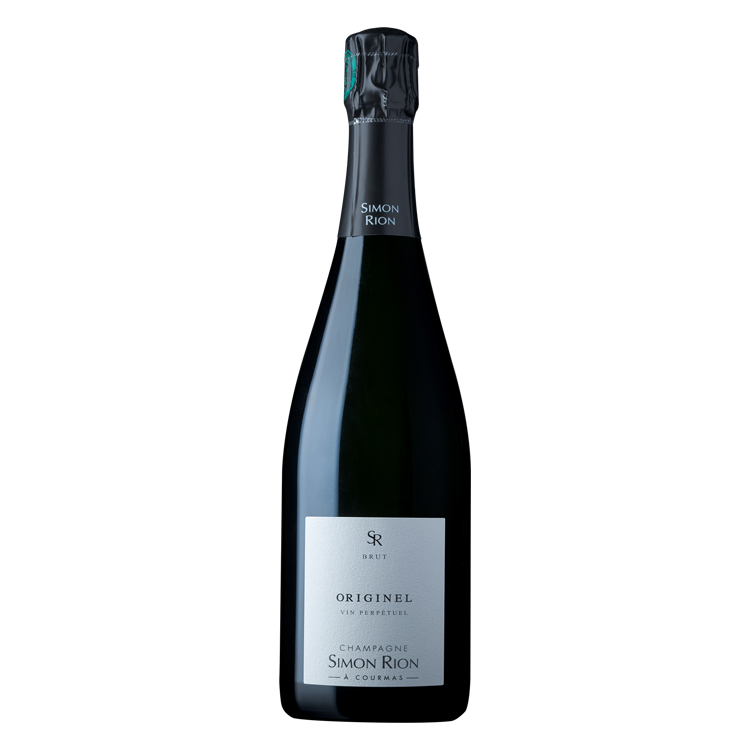 Image 1 of 1